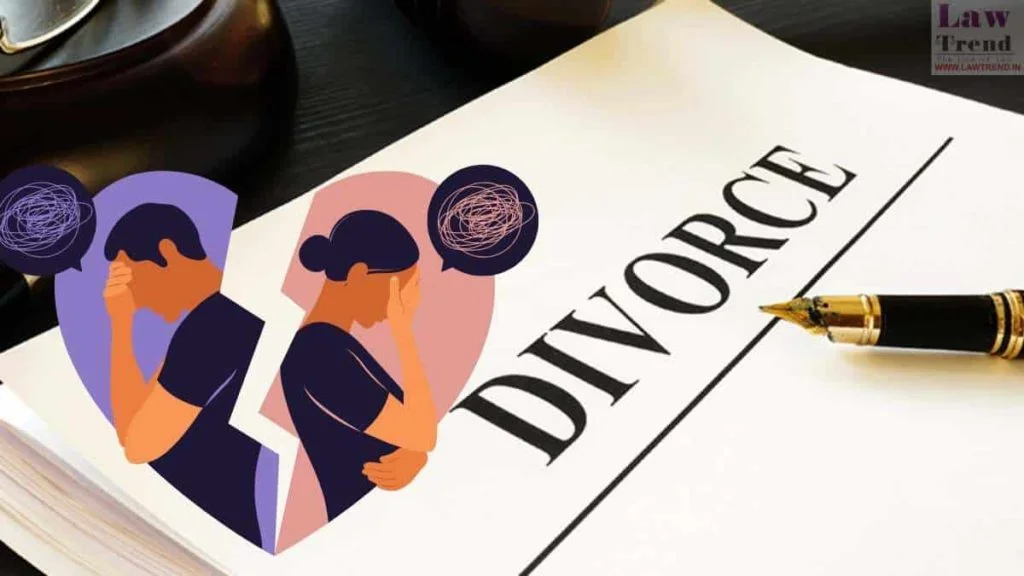
Divorce is the legal process through which a marriage is formally dissolved by a competent court. Indian divorce laws provide different procedures depending on the circumstances of the spouses, including mutual consent divorce and contested divorce.
What Is Divorce?
Divorce legally terminates a marriage and determines issues that may arise between the spouses, such as maintenance, child custody, visitation and other related matters. The applicable law and procedure may depend on the personal law governing the marriage and the specific facts of the case.
Types of Divorce in India
Mutual Consent Divorce
In a mutual consent divorce, both spouses agree that they wish to dissolve their marriage and jointly approach the appropriate court. The parties generally need to satisfy the applicable legal requirements and complete the prescribed court procedure.
Contested Divorce
A contested divorce arises when one spouse seeks dissolution of the marriage and the other spouse does not agree to the divorce or disputes the grounds or related issues. The court considers the pleadings, evidence and applicable law before deciding the matter.
Grounds for Divorce
Depending on the applicable matrimonial law, grounds for divorce may include circumstances such as cruelty, adultery, desertion and other legally recognized grounds. The availability and requirements of a particular ground depend on the applicable statute and facts of the case.
Documents Required for Divorce
Common documents may include:
- Marriage certificate or proof of marriage
- Identity and address proof
- Photographs
- Details of children, where applicable
- Documents relating to income and financial circumstances, where relevant
- Evidence or supporting documents relating to the grounds of divorce
- Other documents required for the particular case
Divorce Procedure in India
The divorce process generally begins with filing the appropriate petition before the competent court. Depending on whether the matter is mutual or contested, the subsequent procedure may involve counselling or mediation, submission of pleadings, evidence, hearings and final orders.
The exact procedure, timelines and requirements can vary depending on the facts of the case and the applicable law.
Child Custody and Maintenance
Divorce proceedings may also involve issues concerning child custody, visitation, maintenance and financial support. Courts consider applicable legal provisions and the circumstances of the parties while determining such matters.
Legal Assistance for Divorce Matters
Divorce can involve important legal and personal considerations. Professional divorce lawyers can assist with understanding the applicable law, preparing documentation, filing the appropriate petition and representing clients during the proceedings.
If you are considering divorce, obtaining case-specific legal advice can help you understand your available legal options and the procedure applicable to your circumstances.